
Policy action urged to curb widespread plastic use and burning in Sri Lanka
Summarised by AI from 1 article

Policy makers must urgently address plastic use and promote environmentally friendly local materials through incentives, amid growing health and environmental risks from plastic waste in Sri Lanka.
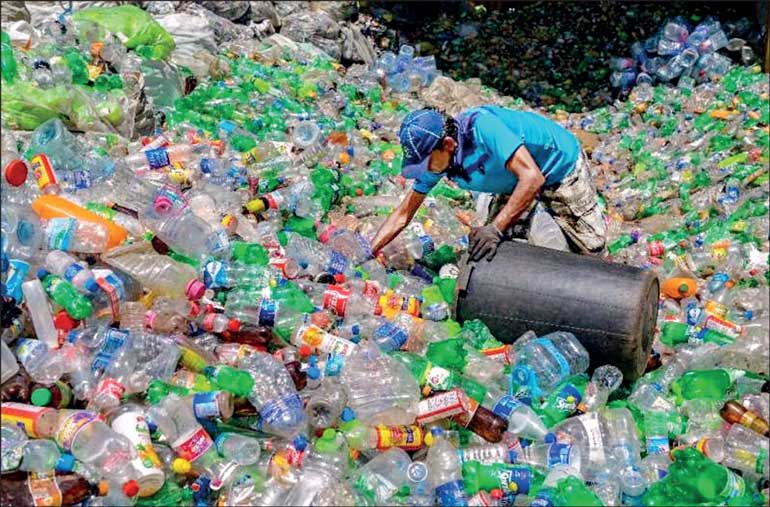
Most plastics used in daily utility items, agriculture, fisheries, and advertising are non-recyclable and are buried or burned. Microplastics, nanoplastics, and toxic chemicals enter the human body through air, food, water, and skin contact.
Warnings from the Health Ministry’s Environmental and Occupational Health Directorate against burning polythene bags, lunch sheets, and yoghurt cups have had little effect. The practice exposes women and children to risks of lung cancer, stroke, respiratory illnesses, and low birth weight.

