
Anti-Malaria Campaign expects 4,100 cutaneous leishmaniasis cases in Sri Lanka in 2025
Summarised by AI from 1 article

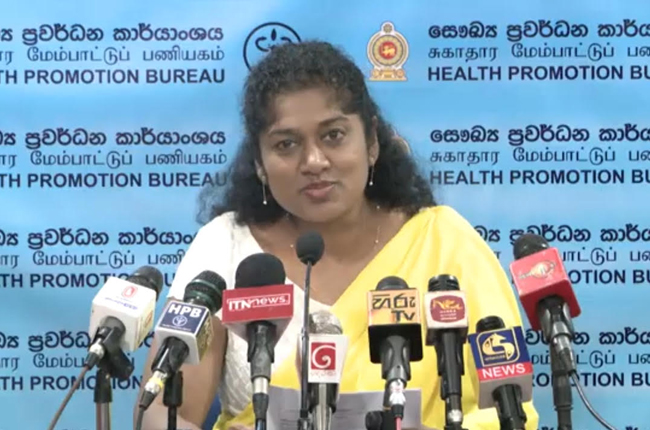
Sri Lanka expects around 4,100 cutaneous leishmaniasis cases in 2025, with approximately 4,000 cases reported annually, Anti-Malaria Campaign Community Health Specialist Dr. Indeewari Gunaratne said on Tuesday (25 November).
Anuradhapura District faces the highest risk, recording about 1,280 cases last year. Seven other high-risk districts have been identified: Polonnaruwa, Matale, Hambantota, Monaragala, Kurunegala, Matara, and Ratnapura.
Dr. Gunaratne noted that about 1,580 patients reported last year were male. Higher-risk groups include farmers, agricultural workers, security personnel, and those working outdoors, at night, or near scrub jungles and forests.
Cutaneous leishmaniasis is the most common form in Sri Lanka. It is caused by the Leishmania donovani parasite and transmitted to humans through Phlebotomus argentipes sandfly bites.

